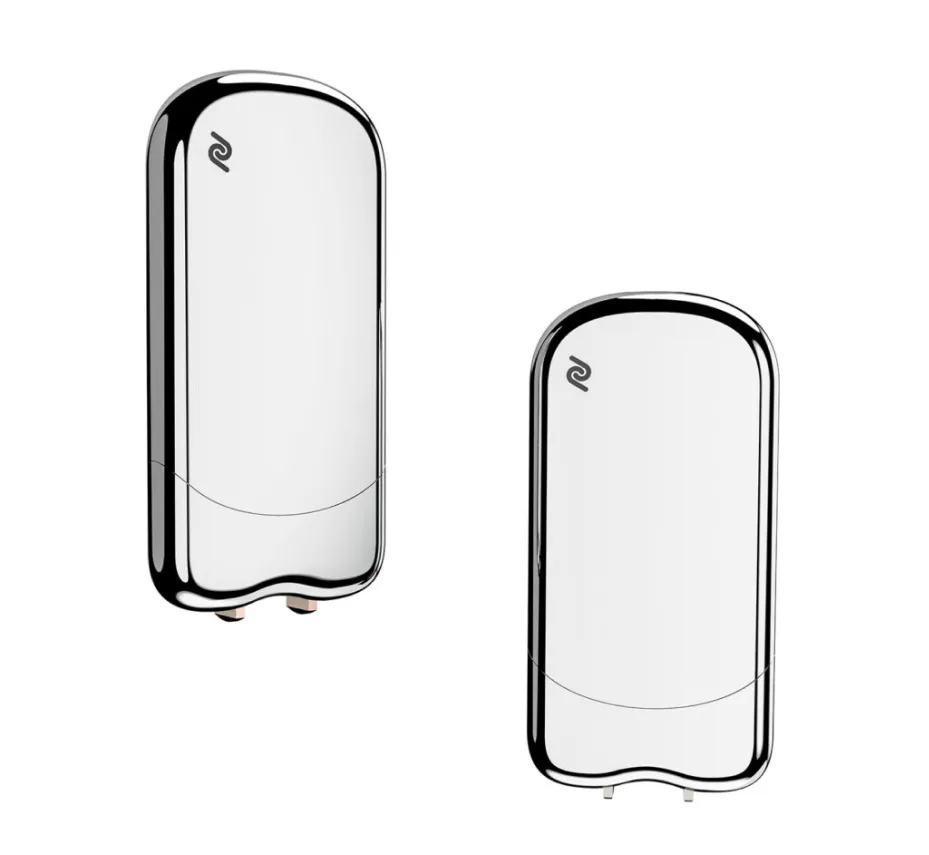
Powerland Ultra-Thin Charger
Rethinking everyday power through thinner, more portable design.
XCL capabilities
Design & Engineering
Prototyping & Validation
Client
Powerland
Product
33W Ultra-Thin Biscuit Charger
Sub-industry
Consumer Technology
Year
2017
XCL involvement
Product Design & Development Contribution
Making fast charging easier to carry.
Power adapters are essential products, but their physical design is often treated as secondary to their technical performance.
The Powerland Ultra-Thin Charger set out to challenge that convention by combining fast-charging technology with a dramatically thinner and more portable physical form.
XCL contributed to the broader product design and development effort, helping explore how engineering, component packaging, portability and industrial design could come together in a compact everyday product.
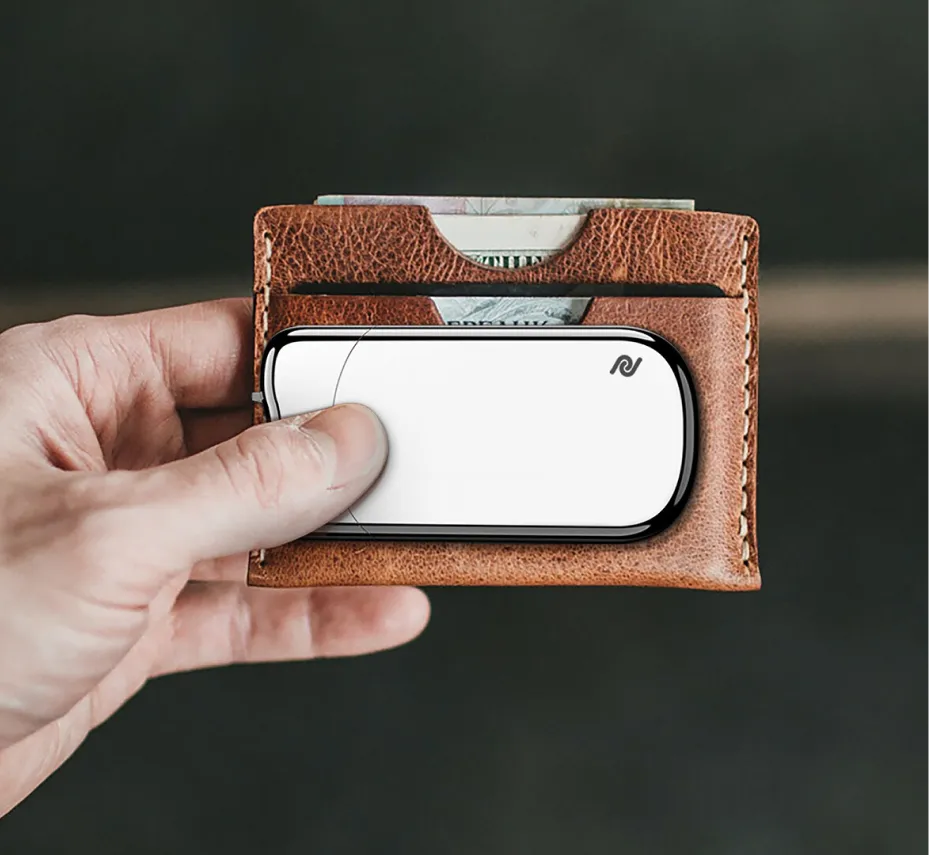
The resulting 33W GaN charger weighs approximately 60 grams and measures around 10.5 mm thick, creating a power adapter designed to fit much more naturally into bags, pockets and mobile lifestyles.
Putting more capability into less space.
Creating an ultra-thin charger isn’t simply an exercise in making the exterior smaller.
The internal electrical architecture, transformer, thermal requirements, structural design, plug mechanism, materials and external form all compete for extremely limited space.
The development therefore centred around several challenges:
- Compact Architecture — Reducing overall thickness while maintaining the internal components required for fast charging.
- Portability — Creating a charger that could travel easily alongside laptops, phones and other mobile devices.
- Component Integration — Organizing the internal technology within an unusually thin physical architecture.
- Mechanical Design — Integrating a foldable plug without significantly increasing product thickness.
- Product Experience — Transforming a traditionally utilitarian power adapter into something considered as carefully as the devices it powers.
Engineering portability into the product.
As part of the broader development effort, XCL contributed to translating the technical requirements of the charger into a compact and distinctive physical product.
Industrial design
The design moves away from the conventional block-like appearance of power adapters.
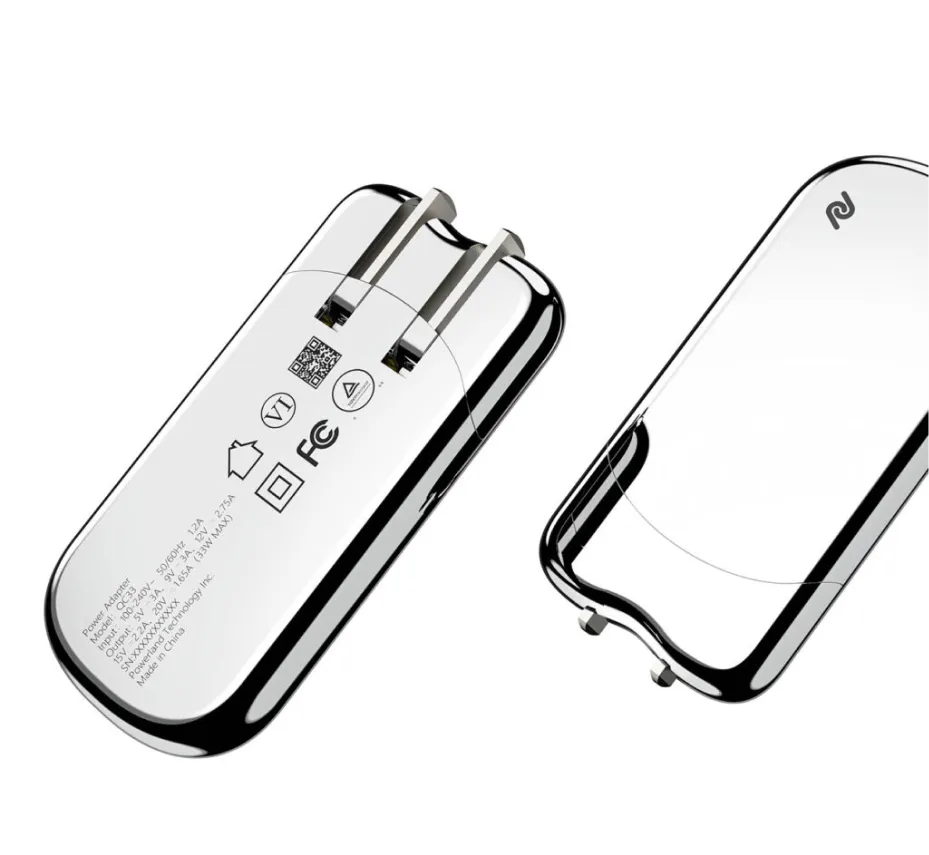
A flattened, biscuit-like architecture establishes the product’s distinctive identity, while flowing curved surfaces soften the form and make the charger more comfortable to handle.
Compact product architecture
The internal architecture was fundamental to achieving the intended product proportions.
The charger uses an ultra-thin high-frequency transformer architecture that helped reduce the overall form factor, with the transformer height kept below 8 mm according to the published project information.
This allowed the technical architecture and industrial design to develop around the same objective: making the complete product thinner.
Materials & finish
Metal materials and an electroplated finish were incorporated to give the charger a more refined character than conventional plastic adapters.
The material and surface treatment became part of the product experience rather than simply providing an external enclosure.
Mechanical development
A foldable plug was integrated into the thin body to improve portability.
When stored, the plug sits within the overall product architecture, making the charger easier to place alongside other devices while reducing the likelihood of exposed prongs scratching items inside a bag.
Portability & usability
At roughly 10.5 mm thick, the physical architecture was developed specifically around mobility.
Rather than asking users to make room for another bulky adapter, the charger was designed to slip more naturally into a laptop bag, travel case or pocket.
Charging technology
The product combines its compact architecture with 33W output, USB-C Power Delivery 3.0 and PPS charging support, allowing it to work across multiple types of portable electronic devices.
A smaller charger designed around modern mobility.
The finished product demonstrates how engineering and industrial design can improve even a highly established product category.
Rather than accepting the traditional size and appearance of a power adapter, the development reconsidered its internal architecture, mechanical details, materials and physical form around one central objective: deliver useful charging performance in a product that’s considerably easier to carry.
For XCL, the project demonstrates how thoughtful product development can find meaningful opportunities for innovation in even the most familiar everyday objects.
Explore more projects
Designing a lighter, more wearable approach to augmented reality.
Design & Engineering
Prototyping & Validation
Read More